Home Strategy
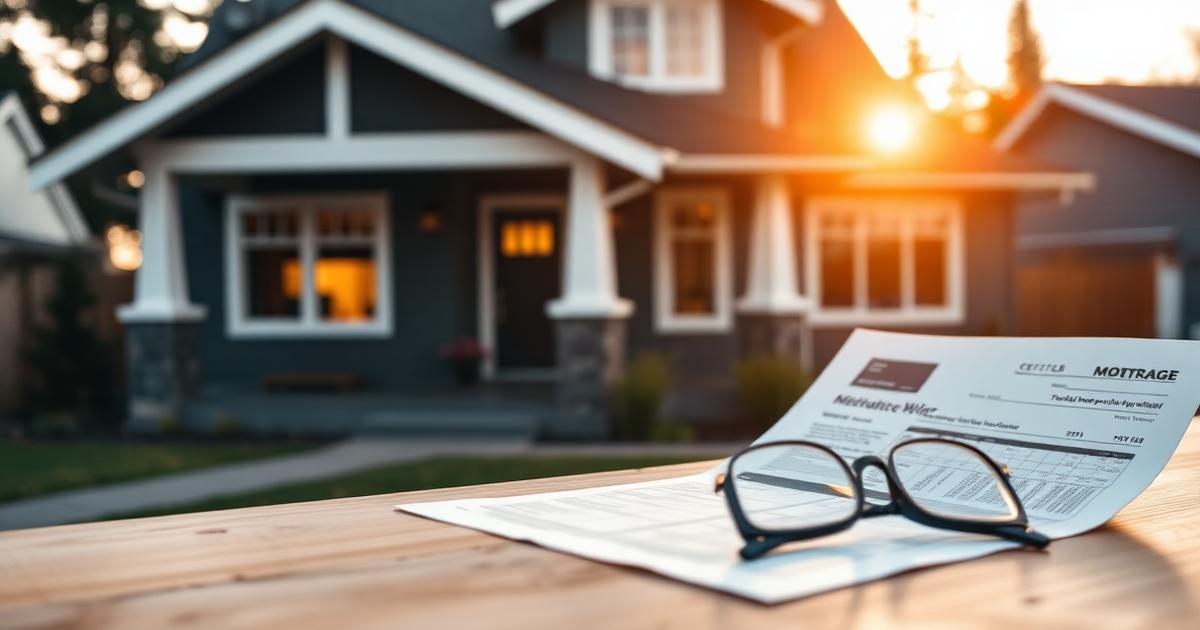
Your 3% Mortgage May Be the Cheapest Part of Owning Your Home
By The Expect More Group | Tri-Cities, Washington
If you bought your home when mortgage rates were sitting around 3%, congratulations.
Seriously.
You probably have one of the most valuable financial assets in your household sitting in your mortgage account.
But there is a problem with the way we talk about that mortgage.
We talk about your 3% interest rate as if it is the entire cost of owning your home.
It isn't.
And in 2026, that distinction matters more than ever.
The Mortgage Rate Isn't the Whole Story
Today's mortgage conversation usually goes something like this:
“I'd love to move, but I have a 3% mortgage. I'm not giving that up.”
Completely understandable.
Mortgage rates are currently hovering around the mid-to-upper 6% range nationally, making the jump from a pandemic-era mortgage rate to a new loan a painful one for many homeowners.
That difference has created what economists call the mortgage rate lock-in effect.
You bought at 2.75%.
Your house appreciated.
Your family needs more space.
Your job changed.
Your kids moved out.
You'd love a different neighborhood.
But then you look at the mortgage payment on the next house and think:
“Absolutely not.”
So you stay.
And for many homeowners, staying put makes perfect financial sense.
But here's the part that gets missed:
Your mortgage isn't your only housing expense.
In fact, some of the costs surrounding your mortgage have been moving in the opposite direction.
- Property taxes.
- Homeowners insurance.
- Utilities.
- Maintenance.
- Repairs.
- Contractors.
- Roofing.
- HVAC.
- Landscaping.
- HOA dues.
None of those care that you have a beautiful 3% mortgage.
The Hidden Cost of the “Cheap” Mortgage
A recent analysis highlighted just how easy it is for homeowners to underestimate the non-mortgage portion of their housing payment.
Property taxes and homeowners insurance alone can account for roughly 21% of the average monthly housing payment, and in some markets they represent an even larger share.
And insurance costs aren't identical from one property to another.
Two houses with similar prices can have dramatically different insurance costs based on things such as the home's age, construction, roof condition, claims history and coverage requirements.
That's why this question:
“What is my mortgage payment?”
is incomplete.
The better question is:
“What does this house actually cost me to own?”
That's a much more useful number.
The Expect More Homeownership Test
Before you decide whether staying, moving, renovating or selling makes sense, look at the Total Cost of Ownership.
Think about your home in six buckets:
1. Mortgage
Principal + interest.
This is the number everybody knows.
2. Property Taxes
Your tax bill isn't optional, and it can change over time.
When evaluating a potential move, don't simply assume the current owner's tax bill will be your tax bill.
Your situation may be different, and exemptions or changes in assessed value can affect the number.
3. Insurance
This is one of the most overlooked numbers in the homebuying equation.
Get an actual quote for the property you're considering whenever possible.
Don't fall in love with the kitchen before you know what the insurance company thinks of the roof.
4. Maintenance
A house doesn't send you a text message when it needs money.
It just waits.
Then one Tuesday:
“Congratulations! Your water heater has chosen violence.”
Roofing, HVAC, plumbing, appliances, exterior maintenance and other systems eventually require attention.
5. Utilities & Recurring Costs
Electricity.
Water.
Garbage.
Internet.
Landscaping.
HOA dues.
These may not build equity, but they absolutely affect your monthly budget.
6. Opportunity Cost
This one gets interesting.
What else could you do with the money tied up in the property?
Could you invest it?
Pay down debt?
Start a business?
Build cash reserves?
Travel?
Help your kids?
There isn't one correct answer.
But there should be a deliberate answer.
So Should You Give Up Your 3% Mortgage?
Not necessarily.
In fact, you may have an excellent reason to keep it.
The point isn't that your low mortgage rate doesn't matter.
It absolutely does.
The point is that it shouldn't make the decision for you.
Imagine you're sitting in a home with a 2.75% mortgage.
Your home no longer fits your family.
The roof is nearing the end of its useful life.
The HVAC system is aging.
You're spending more every year maintaining the property.
Your commute has become miserable.
And you have significant equity.
Is the 2.75% mortgage still valuable?
Absolutely.
But is it valuable enough to outweigh everything else?
That's a different question.
And that's where homeowners need strategy instead of slogans.
What This Means in the Tri-Cities
The Tri-Cities market isn't operating in a vacuum.
The latest TCAR/PACMLS July 2026 data shows 1,231 active listings, a $435,700 median sale price, 335 closed sales, and 24 median days on market.
Active inventory is also at its highest level since 2014 according to the market dashboard.
That's important because homeowners have more decisions available to them than simply:
“Sell or don't sell.”
You could:
- Stay and renovate.
- Stay and restructure your financial priorities.
- Sell and downsize.
- Sell and move up.
- Sell and relocate.
- Convert the property into an investment.
- Buy first and sell second, depending on your circumstances.
- Do absolutely nothing.
The right answer depends on your situation.
And that is exactly why a Zestimate, a mortgage calculator or a Facebook comment isn't a financial strategy.
Resources worth using before you decide:
The Question We Want Tri-Cities Homeowners Asking
Instead of asking:
“What is my house worth?”
ask
“What is my house worth to me?”
Those are different questions.
Your home's market value is what the market may pay for it.
Your home's personal value includes:
- Your mortgage.
- Your equity.
- Your monthly expenses.
- Your lifestyle.
- Your location.
- Your future plans.
- Your maintenance obligations.
- Your financial goals.
- Your alternatives.
That's the bigger picture.
And sometimes the smartest real estate decision is to sell.
Sometimes it's to buy.
Sometimes it's to renovate.
And sometimes it's to stay exactly where you are and enjoy the ridiculously cheap mortgage you locked in years ago.
The goal isn't to make a transaction. The goal is to make a smart decision.
That's What “Expect More” Means.
You should expect more than someone telling you what your house is worth.
You should expect someone to help you understand what your options are.
You should expect more than a mortgage payment estimate.
You should expect a realistic picture of what owning the home will actually cost.
And you should expect more than someone trying to convince you to buy or sell.
You should expect advice based on your goals, not someone else's commission.
Want to Know What Your Numbers Actually Look Like?
If you're a Tri-Cities homeowner wondering whether you should stay, sell, renovate, downsize, move up or simply do nothing, let's look at the numbers.
No sales pitch.
No pressure.
Just a conversation about your options and what makes the most sense for you.
Because you shouldn't make a six-figure decision based on one number.
You should Expect More.